
Prehabilitation
Cancer Prehabilitation and Rehabilitation
If you are about to start, are going through, or have finished cancer treatment, it can feel overwhelming. It’s completely normal to feel like things are out of your control. However, there are things you can do, and an ever-growing body of research shows that looking after your physical and mental health before treatment (called prehabilitation or prehab), during treatment, and after treatment (called rehabilitation or rehab) can help you:
- Tolerate treatment better
- Reduce the risk of complications from surgery
- Feel less tired and improve your mood
- Stay independent with everyday tasks
- Feel more in control
- Spend fewer days in hospital
- Improve your long‑term health
What is prehabilitation?
Prehabilitation, often shortened to prehab, is the support offered to you before your cancer treatment begins. It aims to help you feel physically stronger, emotionally prepared and more in control during a time that can feel uncertain. By focusing on the areas you can influence, prehabilitation gives your body and mind the best possible start ahead of treatment.
Prehabilitation is important because cancer treatments such as surgery, chemotherapy and radiotherapy can place a lot of strain on your body. Preparing in advance can make a significant difference. People who take part in prehabilitation often report feeling fitter, more confident and more able to cope with treatment. Research also shows that prehabilitation can reduce side effects, help you recover more quickly and improve your overall wellbeing during and after treatment.
There are three key pillars of prehab and rehab that can help you take control and feel the benefits:
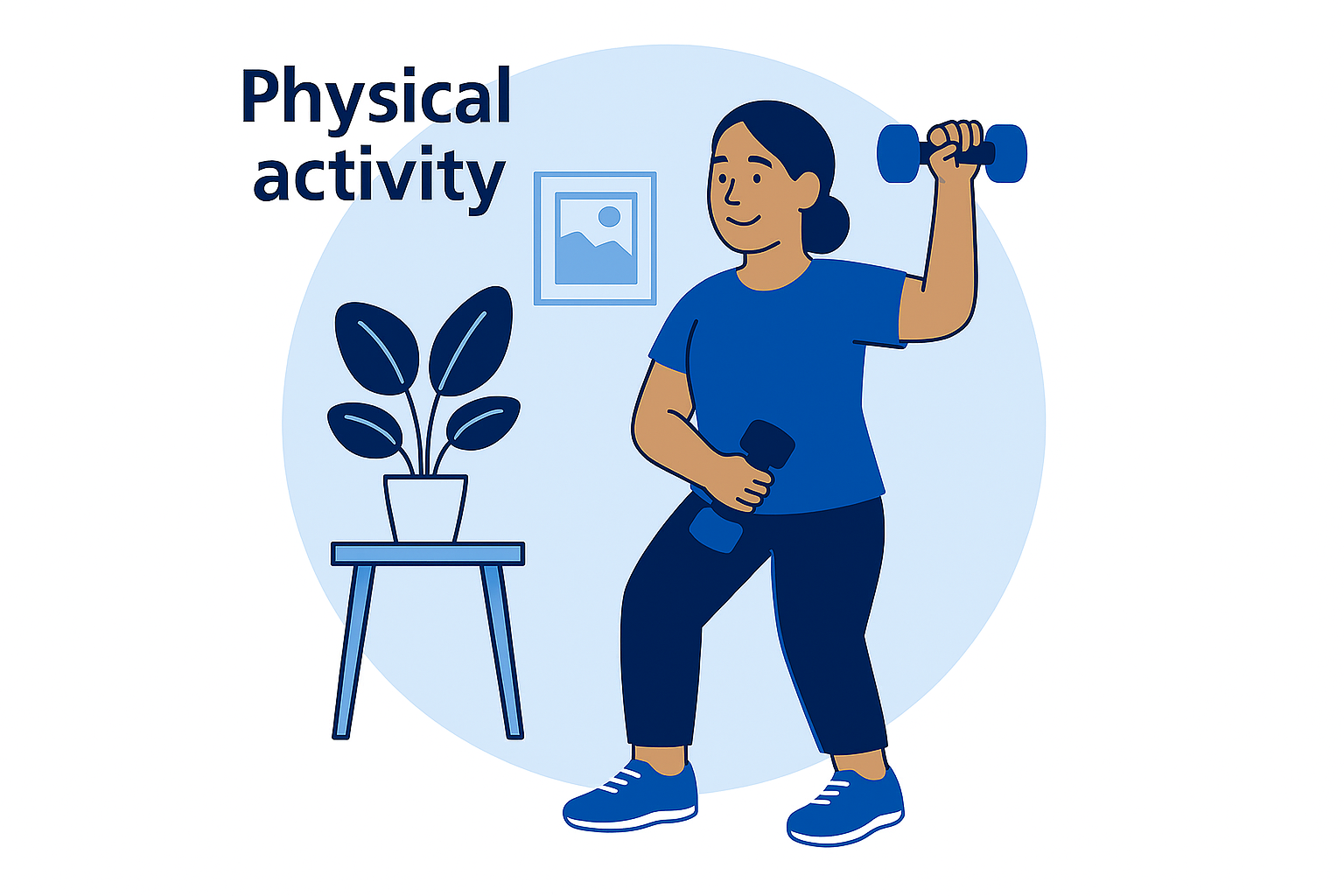
Physical activity
Physical activity, which helps build strength and stamina. Gentle exercises, regular movement and activities you enjoy can all contribute to improving energy levels and reducing fatigue. Even small amounts of extra movement each day can support your body to cope better with treatment.
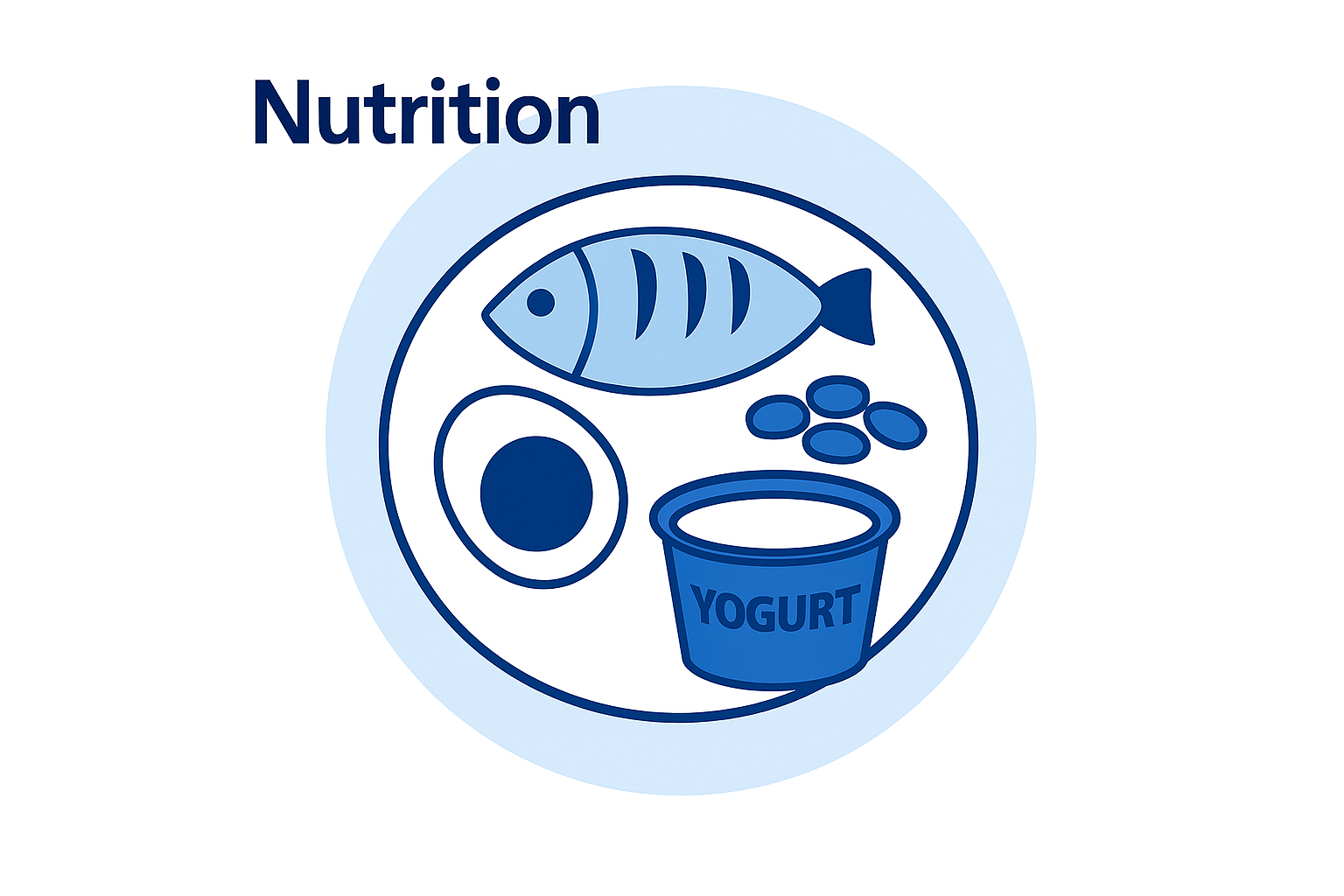
Healthy eating
Eating well gives your body the fuel it needs for treatment and recovery. This might include maintaining a healthy weight, eating regular meals, staying hydrated and including a good source of protein in your diet. Some people may also receive personalised advice from a dietitian if needed.
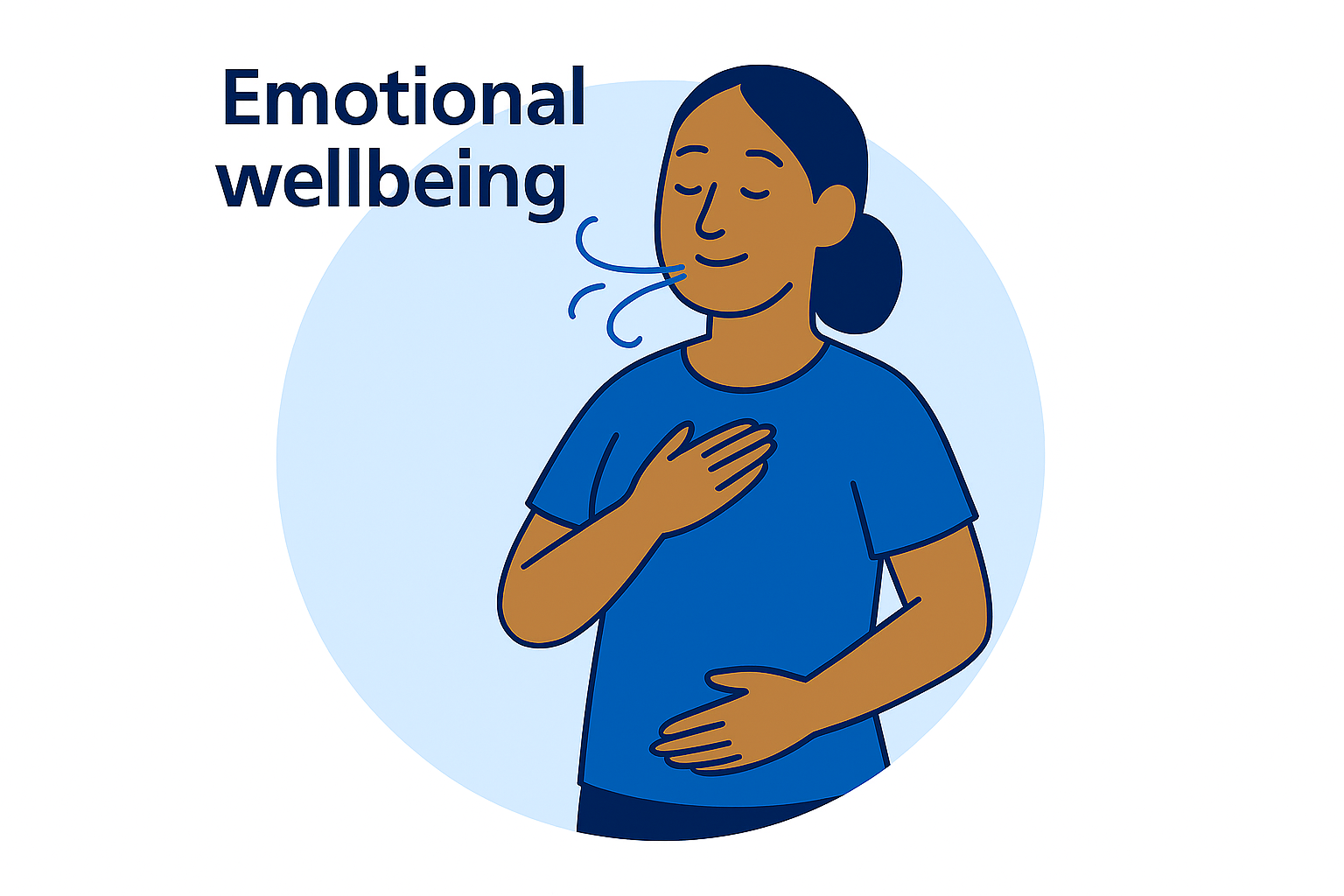
Mental well-being
Cancer can affect how you feel emotionally just as much as physically, and supporting your mental health is an essential part of prehabilitation. Techniques such as relaxation, mindfulness, talking therapies or spiritual support can help you feel more settled, more in control and better able to manage stress or anxiety.
These benefits can be strengthened even further by cutting down on alcohol intake and smoking.
Everyone’s needs are different, so prehab and rehab are not a one‑size‑fits‑all approach. But you don’t have to wait for your cancer team to get started. Even small changes in these areas can make a big difference in helping your body cope with treatment and support your recovery.
It is tailored to your individual needs, and your clinical team will guide you to the most appropriate support. Some people may attend in‑person sessions or classes, while others may receive home-based guidance, online resources or check-ins with their team.
What do I do if I want face to face support?
If you have just been diagnosed and would like to learn more in person about the support available, including simple steps to help you prepare for treatment, you can attend our First Steps programme.
It’s a friendly, supportive session designed to help you feel more confident and informed as you begin your cancer pathway. Please note that this session provides a general overview, and specific medical advice will not be given. However, there will be opportunities to speak to the team, who can guide you towards more personalised support if you need it.
Prehabilitation videos for people living with cancer
Macmillan Cancer Support has worked with Bristol Myers Squibb and people affected by cancer to create a set of helpful videos all about prehabilitation. This will open in a new page.
Many patients who take part in prehabilitation find that they recover more quickly after treatment, feel less fatigued and are able to return to their usual activities sooner. They also often feel better equipped emotionally, with greater confidence and resilience throughout their cancer journey.
At Calderdale and Huddersfield NHS Foundation Trust, our aim is to ensure that every person diagnosed with cancer is supported holistically. Your team will discuss prehabilitation with you and signpost you to the most suitable local services, including physiotherapy, dietetics, psychological support, Macmillan teams, community groups or primary care services.
The message of prehabilitation is simple: this is your time to prepare, strengthen and take positive steps for yourself. Even small changes can make a meaningful difference to your treatment experience and recovery.