
Urology Cancer Services
We recognise that being diagnosed with cancer can be a difficult time for you and those close to you.
These web pages give you an overview of the expert care you can expect to receive. You will also be introduced to the different type of healthcare professionals you may meet along the way. As a team offering the range of therapeutic and surveillance options, our aim is to be able to offer an individually tailored treatment option to ensure cancer control and minimise side effects.
Urological cancer types
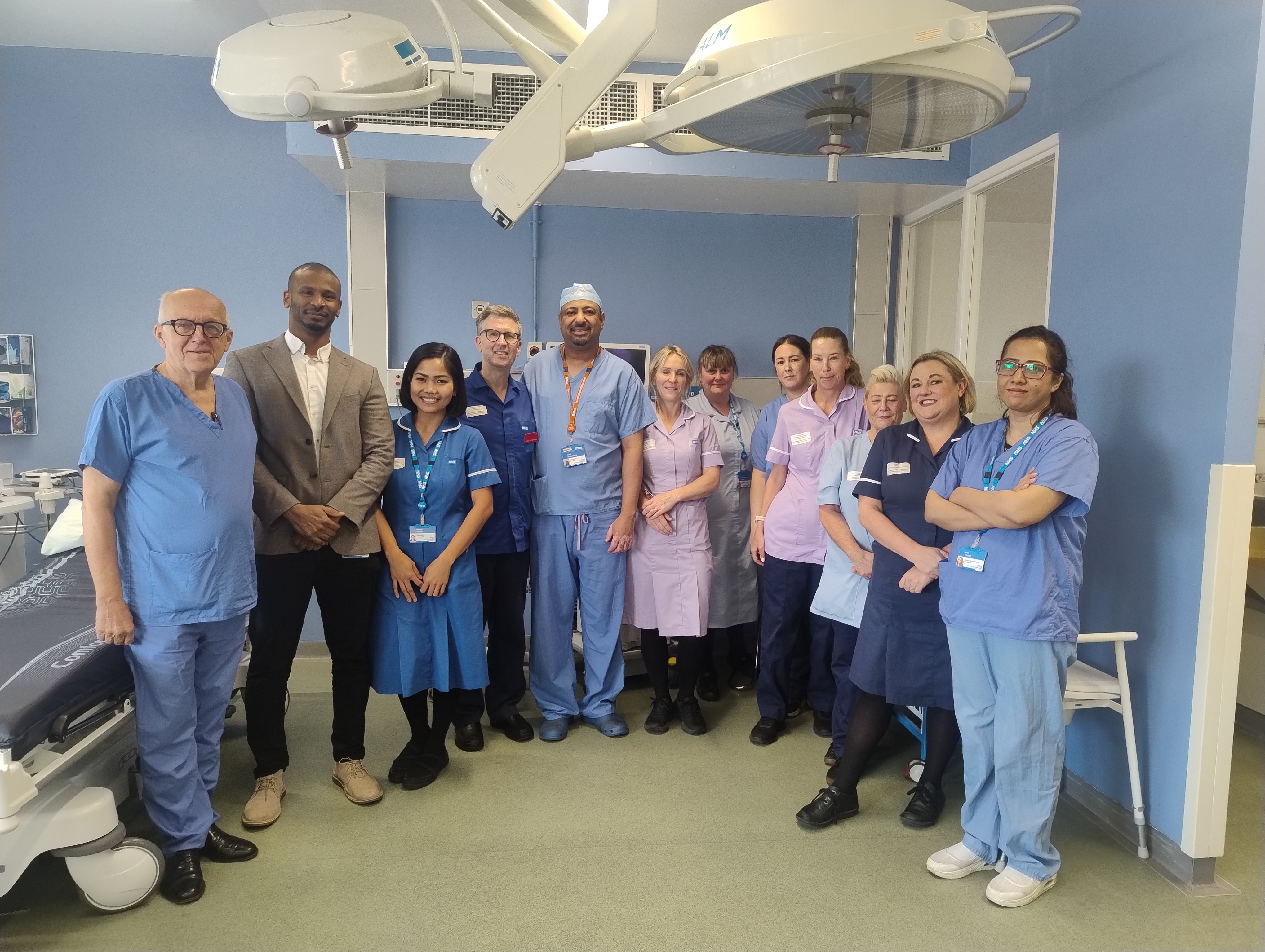
Your Cancer Team
We have a multidisciplinary team of specialists (This includes consultant urological surgeons, radiologists, clinical and medical oncologists, and clinical nurse specialists) who care for and agree the plan of treatment for each patient.
Cancer Nurse Specialists: Also known as your key worker. They play a key role in supporting you and your family through your cancer journey and beyond. They provide a vital link between patients and families with medical teams involved in the cancer patient pathway.
Clinical Oncologists: Physicians that specialise in management of cancer treatments including radiotherapy, chemotherapy, targeted treatments and immunotherapy.
Radiologists: Radiologists are doctors that specialise in undertaking scans, using them to obtain tissue samples to diagnose cancer and work out its extent.
Histopathology: This is the diagnosis of cancer through detailed analysis of the biopsy or cancer tissues which are removed during an operation, and involves examining tissues and/or cells under a microscope. Histopathologists are responsible for making tissue diagnoses and helping clinicians manage understand the treatments required for a patients cancer care.
Signs and Symptoms
If you or someone you know is exhibiting these symptoms seek medical attention.
Symptoms include:
- Blood in urine (Haematuria)
- Difficulty in urinating
- Low back pain
- Rapid weight loss
- loss of appetite
- Swollen feet
- Extreme weakness and tiredness
Diagnosis and tests
When diagnosing prostate cancer you will be required to have a number of special tests and examinations in the urology clinic. Most men who attend a urology clinic are found not to have prostate cancer.
Treatment
Radiotherapy and hormone therapy are some of the possible treatments for prostate cancer. Men at low risk for progression may opt for active surveillance, meaning treatment is deferred and the cancer is closely monitored with frequent PSA blood tests, digital rectal exams and repeat biopsies. If the cancer has not spread, surgery to remove the prostate and nearby lymph nodes is often recommended.
In some cases, these treatments may be used in combination for greater effect.
Additional Information
Please see the links below for more information