
Injectable medications for weight loss
What is Tirzepatide (Mounjaro) and how does it work?
Mounjaro is a prescription medicine that contains the active ingredient tirzepatide. It is given as a once-weekly injection and is used to help people manage type 2 diabetes and, in many countries, to support weight loss and weight management in eligible adults.
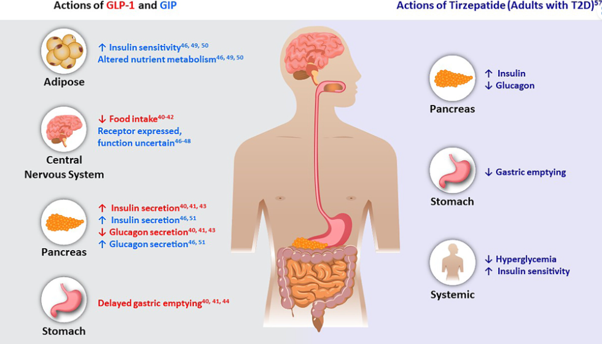
Mounjaro mimics two natural hormones (GIP and GLP-1) that help:
- Reduce appetite
- Slow stomach emptying
- Improve blood sugar control
- Increase feelings of fullness
This can lead to significant weight loss when combined with healthy eating and physical activity.
Potential Benefits of taking Mounjaro
- Significant weight loss: Mounjaro can help people lose a substantial amount of body weight when combined with a reduced-calorie diet and regular physical activity. In clinical trials, many participants lost 15–20% or more of their body weight over about 72 weeks, depending on the dose.
- Better blood sugar control: It lowers blood glucose levels in people with type 2 diabetes by increasing insulin release when needed and reducing glucose production by the liver.
- Reduced appetite and cravings: Many people feel fuller for longer, eat smaller portions, and experience fewer food cravings because the medication slows stomach emptying and affects appetite-regulating hormones.
- Improved metabolic health: Weight loss and better glucose control often lead to improvements in blood pressure, cholesterol, and insulin resistance.
- Potential cardiovascular benefits: For people with type 2 diabetes and obesity, improving blood sugar, weight, and other cardiovascular risk factors may reduce the risk of heart disease over time.
Please note: that research has indicated that 9-17% of patients taking Mounjaro may be non-responders and will not achieve 5% weight loss
Frequently Asked Questions
I am feeling nauseous and vomiting. What may help?
- Eat little and often – sometimes going too long without eating worsens nausea, small meals reduce risk of overloading the stomach
- Avoid cooking smells as much as possible and keep windows open
- Ginger tea or ginger sugar free sweets may help
- Peppermint tea can help manage nausea
- Dry and odourless foods may be better tolerated (e.g. toast, flapjack, cereal, crackers)
- Choose bland options (e.g. plain yogurt, scotch pancake)
- Stay upright after meals
- Stop eating when full
- Stay hydrated – sipping
- Look for trigger foods (e.g. high fat foods)
- Cold foods might be better tolerated when feeling nauseous
What are the common side effects whilst using Mounjaro?
- Nausea and vomiting
- Injection site reactions
- Reflux and burping
- Fatigue
- Abdominal pain
- Constipation
If you are experiencing any of the below severe side effects, you must STOP Mounjaro and contact our team for advice
- Inflammation of the pancreas (pancreatitis).
- Low blood sugar (hypoglycemia).
- Serious allergic reactions.
- Dehydration leading to kidney problems.
- Severe stomach problems.
- Changes in vision.
- Gallbladder problems.
- Food or liquid getting into the lungs during surgery or other procedures that use anaesthesia or deep sleepiness (deep sedation).
When should I seek medical advice?
Contact our team if you experience:
- Severe or persistent abdominal pain
- Persistent vomiting or inability to keep fluids down
- Signs of dehydration
- Symptoms of an allergic reaction
- Severe constipation with significant pain or bloating
- Very low blood sugar if you're also taking insulin
Why is it important to eat high protein foods?
- Helps preserve muscle mass. When you lose weight, your body loses both fat and lean tissue (muscle). GLP-1 medications can accelerate weight loss because you naturally eat less. Protein provides the amino acids your body needs to maintain muscle, especially if you're also doing resistance training.
- Supports metabolism. Muscle tissue burns more calories than fat tissue, even at rest. Preserving muscle helps keep your resting metabolic rate higher during weight loss, which may make maintaining your weight easier.
- Increases fullness. Protein is the most satiating macronutrient. Although GLP-1s already reduce hunger, prioritising protein helps ensure the calories you do eat are filling and nutritionally valuable.
- Improves recovery and strength. If you're exercising—particularly strength training—protein supports muscle repair and adaptation. This helps maintain strength and physical function while losing weight.
- Prevents nutritional deficiencies. Because GLP-1s can make it difficult to eat large meals, every bite counts. Choosing protein-rich foods helps you meet essential nutrient needs within a smaller calorie budget.
Can I still eat out at restaurants?
Absolutely yes you can, See below for some useful hints and tips
- Check the menu beforehand if available to avoid last minute panic decisions
- Choose protein based starters (e.g. chicken satay skewers) if appetite is low
- Share dishes with others so you can serve yourself portion sizes which suit your needs
- Swap sides such as chips for vegetable options (e.g. grilled veg or side salad)
- Avoid dishes which are described as battered, creamy, fried which could cause side effects. Remember spicy foods might also make side effects worse!
- Ask to adapt the dish such as dressings on the side
- Save leftovers for another day
Why do I need to take Multivitamins?
Due to smaller portion sizes when taking Mounjaro, even if you eat a healthy and varied diet, you might not get enough essential nutrients from your diet. Consider taking an A-Z multivitamin with mineral supplement once daily (e.g. Centrum, Sanatogen A-Z or Boots A-Z).
An extra Vitamin D (10mcg) may also be beneficial due to lack of sunlight in UK!
Can I inject into the same spot every week?
Rotate injection sites between the abdomen, thigh, or upper arm to reduce the risk of skin irritation. You can use the same general area but avoid injecting into exactly the same spot each time.
How do I store my Mounjaro pens?
Store the pens according to the manufacturer's instructions, typically refrigerated before use. Protect them from freezing and excessive heat.